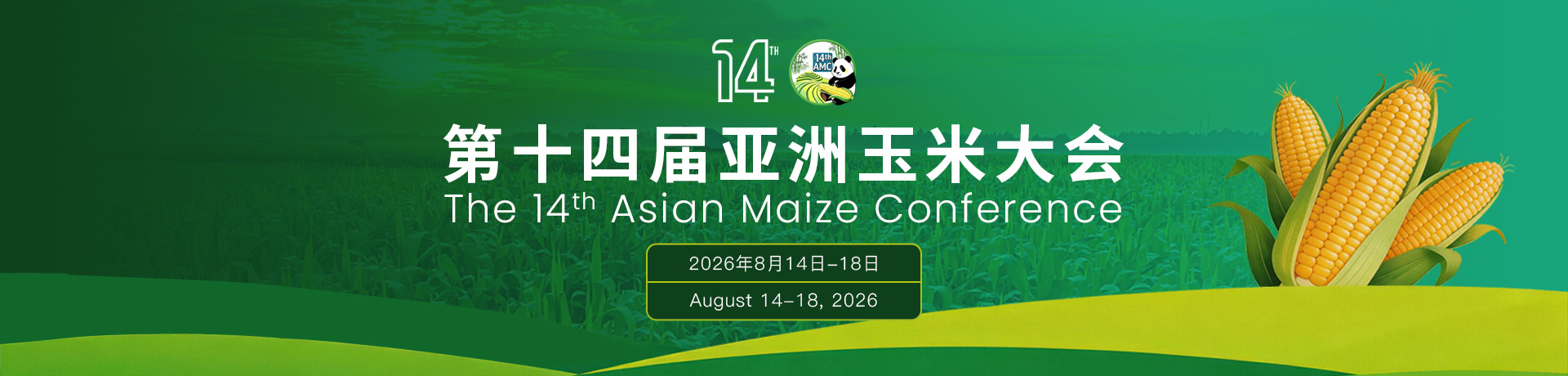
The Asian Maize Conference is the largest, highest-standard and most influential academic and industrial exchange platform in the field of maize in Asia. It aims to exchange and discuss the latest progress in global maize scientific research, production and market, promote cooperation among Asian countries, and ensure the healthy and stable development of the Asian maize industry. The first conference was held in Thailand in 1984, and since then, 13 sessions have been successfully held in major maize-producing countries in Asia including China, Thailand, Vietnam, Indonesia and India. The 14th Asian Maize Conference will be held in Chengdu, Sichuan Province in August 2026. The conference will further deepen the exchange of germplasm resources and regional collaborative innovation in the maize sector, expand new channels for international cooperation, and promote the coordinated development of maize scientific research among Asian countries.
Conference Theme: Advancing Scientific and Technological Innovation to Address Climate Change
1.
Utilization of Maize Genetic Diversity: Focus on the exploration and conservation of maize genetic resources, covering germplasm collection, biodiversity assessment, and the use of exogenous alleles to broaden the genetic basis for future breeding.
2.
Decoding Maize Genome: Explore basic biological processes and cutting-edge discoveries from fundamental mechanisms to advanced technologies, including functional genomics, developmental biology, and molecular mechanisms of key agronomic traits and stress responses.
3.
Biotechnology Innovation and Precision Germplasm Development: Highlight advances in gene editing, transgenic technology, artificial intelligence and doubled haploid technology, emphasizing the accelerated development of new germplasms and regulatory frameworks affecting biotechnology application.
4.
Genetic Improvement for Climate Resilience: Stack multiple stress-resistant traits, focusing on next-generation super climate-resilient maize hybrids combining abiotic and biotic stress tolerance to address current and future challenges of maize production in tropical Asia.
5.
Nutritional Security and Quality Improvement: Focus on human health improvement, discussing genetic improvement of grain quality, micronutrient biofortification strategies, and specialty maize varieties developed for diversified end markets.
6.
Addressing New Challenges of Transboundary Pests and Diseases: Study how transboundary pests and diseases, climate-driven changes in pest ecology, increased trade and landscape changes facilitate the rapid spread and evolution of pathogens.
7.
Precise Cultivation and Smart Agriculture: Explore the integration of IoT, AI-driven decision support systems and precision input management, and develop technical pathways to improve yield potential while minimizing environmental costs.
8.
Construction of Climate-Resilient Farming Systems: Cover sustainable intensification strategies, conservation agricultural practices, greenhouse gas emission reduction and soil organic carbon sequestration, and approaches to enhance climate resilience of maize cropping systems.
9.
Value Chain Policy Framework and Economic Driving Mechanism: Include agricultural policy design, economic impact assessment, and incentive structures to promote sustainable production and fair value distribution in the maize industrial chain.
10.
Maize Market Dynamics and Agribusiness Innovation: Focus on post-harvest value addition and market trends, discussing processing technology, supply chain logistics, market intelligence, enterprise innovation, and emerging consumption modes driving the development of maize industry.
11.
Modernization of Maize Production in Hilly and Mountainous Areas: Explore adapted machinery, terrace farming systems and customized agronomic practices tailored to the unique challenges of terrain-complex regions, so as to achieve sustainable maize production in hilly agricultural ecological zones.
 Official Conference WeChat Account